

Residential structural hardening means physically reinforcing a home's foundation, framing, and entry points so an intruder is delayed or stopped before ever getting inside. For homeowners in Coeur d'Alene, this approach matters more than ever, because population growth here has outpaced local emergency resources. A locked door and an alarm sensor simply aren't enough anymore for many properties in this region.
Why Standard Locks No Longer Cut It
Kootenai County is one of the fastest-growing areas in Idaho, and that growth shows in every direction from downtown Coeur d'Alene. Local sheriff departments have publicly raised concerns about staffing levels struggling to keep pace with the surging population in communities like Hayden. That gap directly affects how quickly deputies can respond to a break-in call.
For homes on lakeside lots or tucked into wooded acreage, response times stretch even further. A standard alarm system that simply calls for help after a breach leaves a dangerous window open. That's the window residential structural hardening is designed to close.
What Residential Structural Hardening Actually Involves
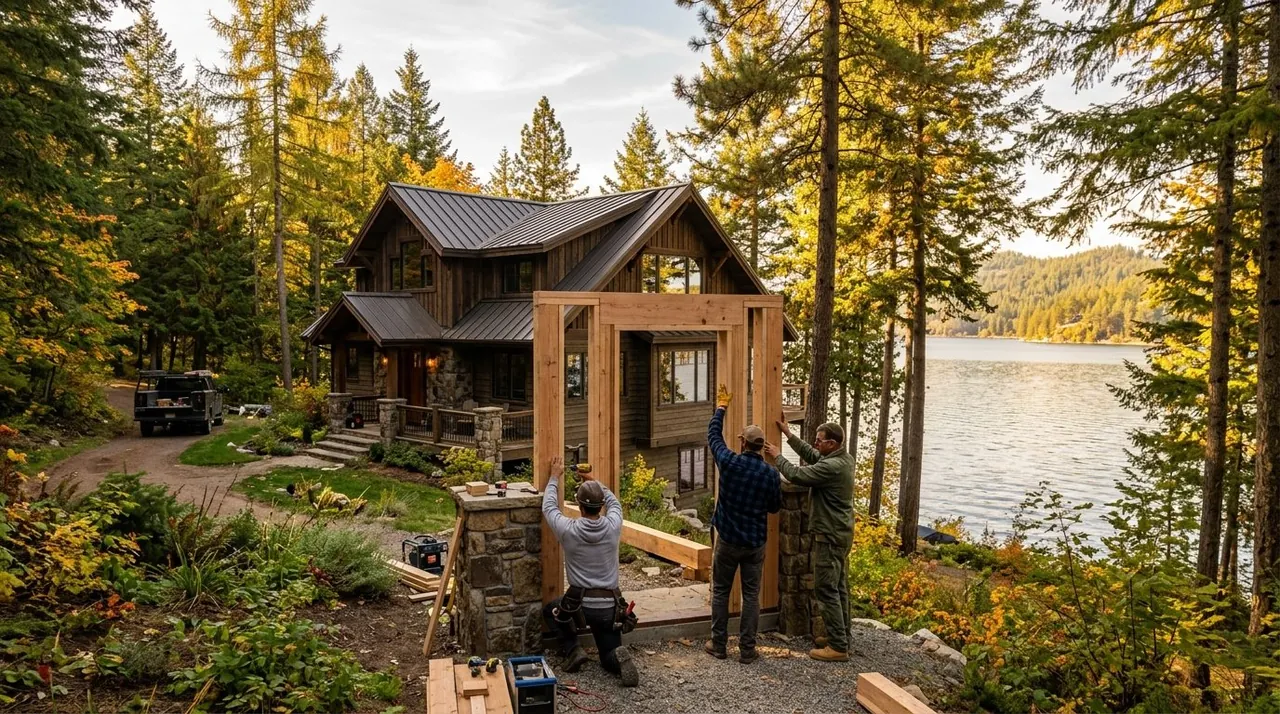
This isn't about turning a home into a fortress that looks like one. Modern hardening projects blend seamlessly into a home's existing design while making forced entry dramatically harder.
Common upgrades include:
- Reinforced foundation walls that resist tools and sustained impact
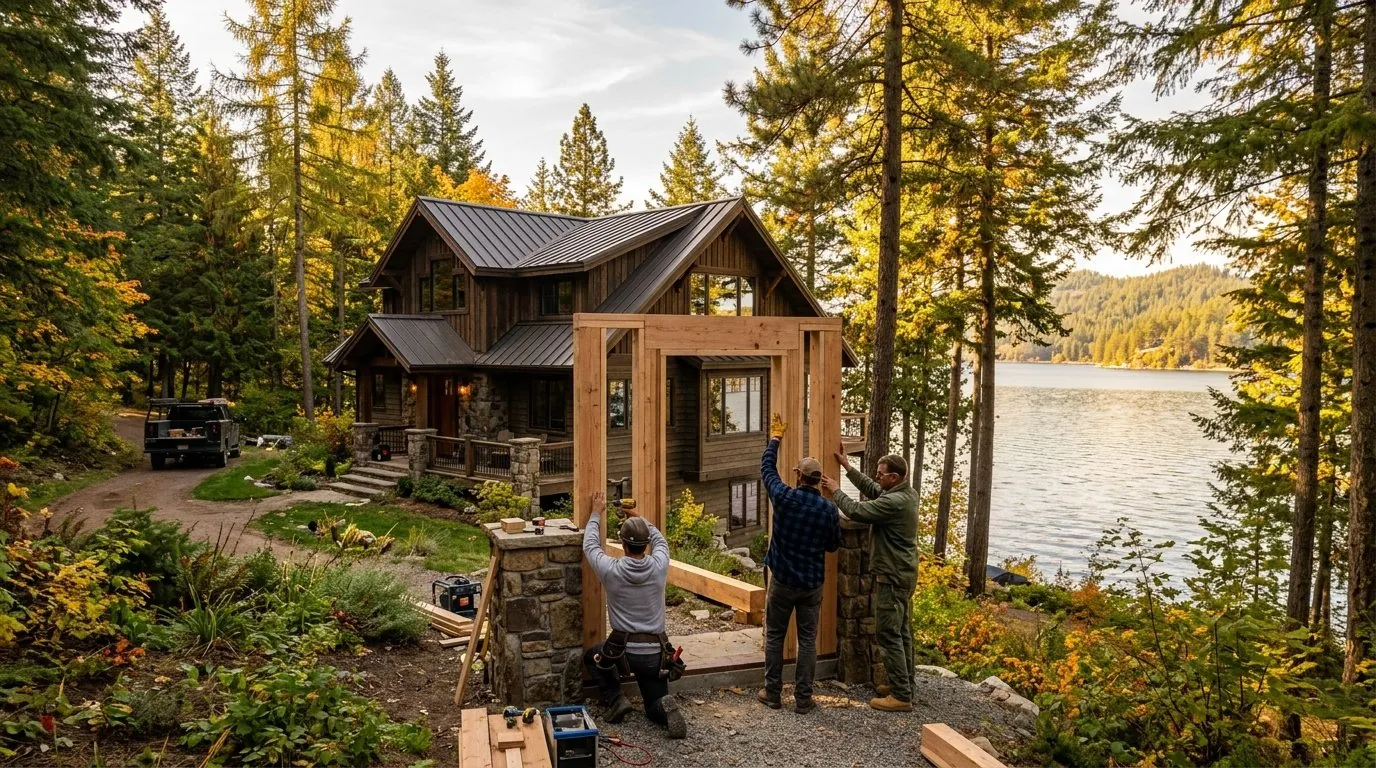
- Heavy-duty structural framing around vulnerable exterior walls
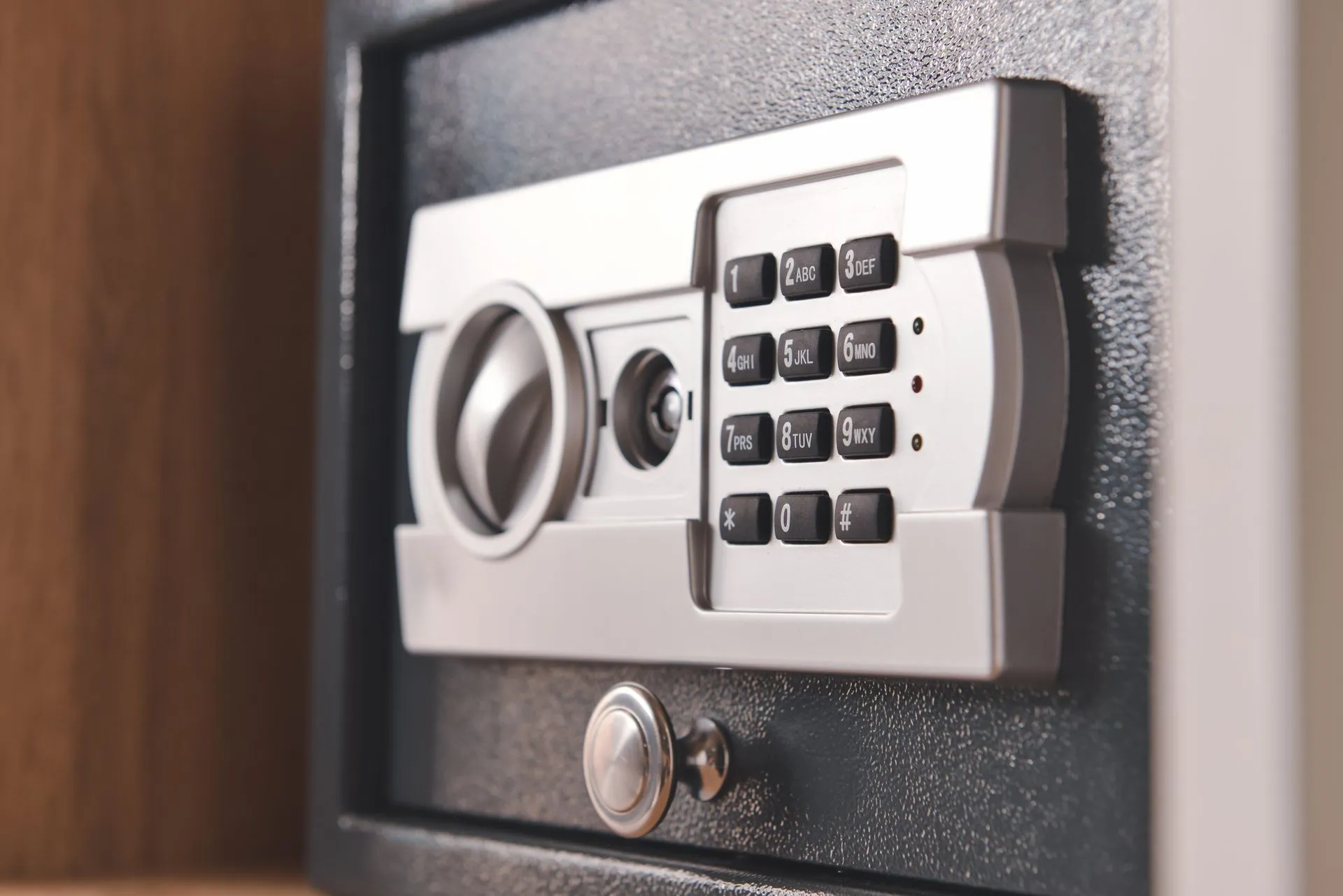
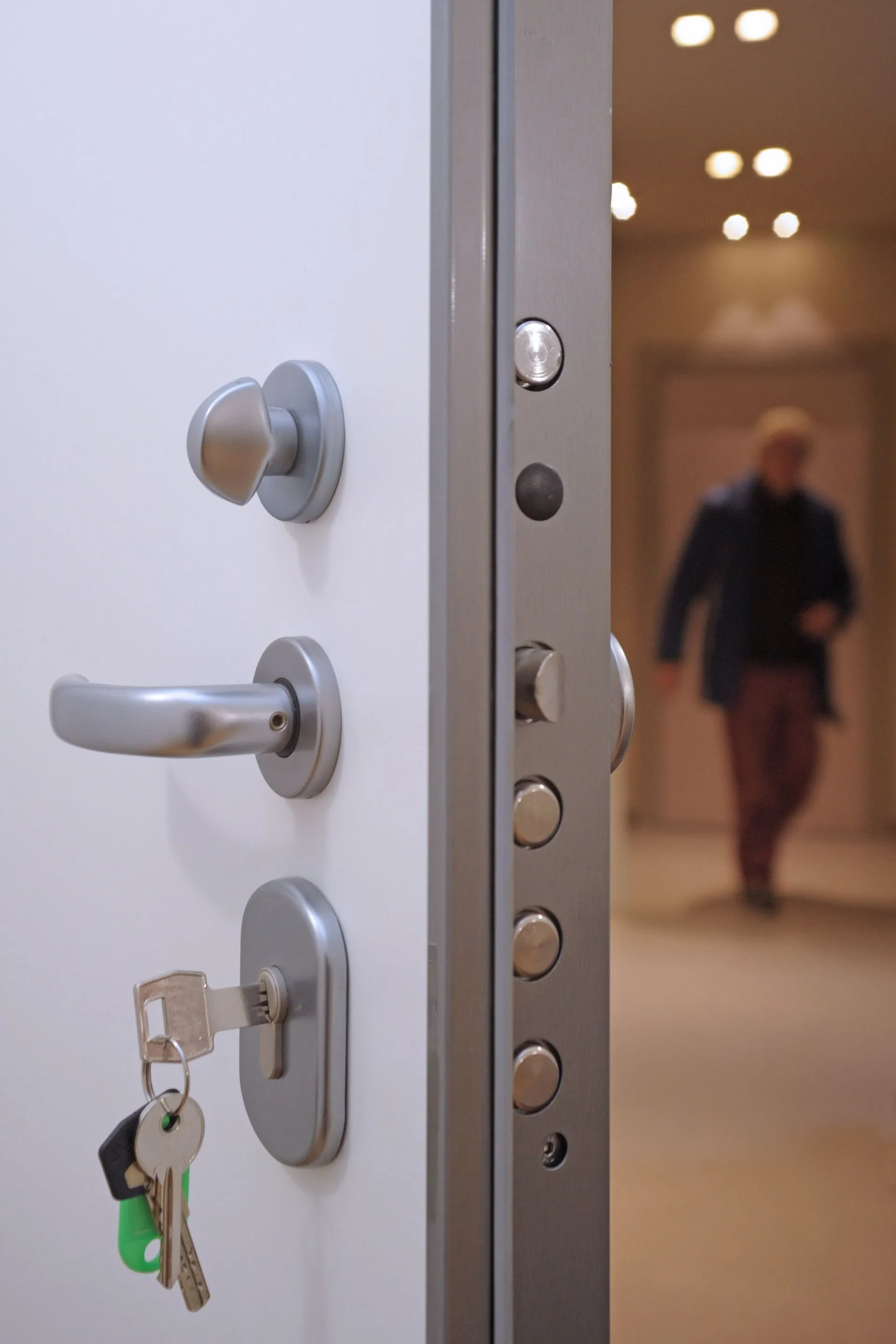
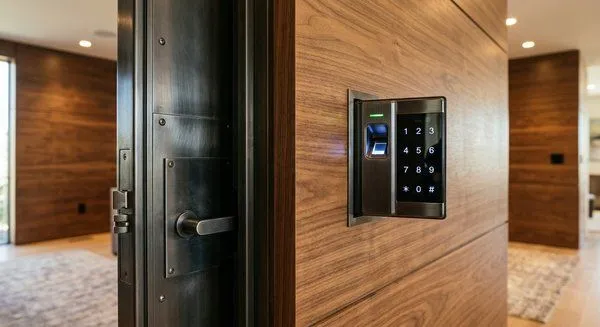
- High-security entry points, including reinforced doors and frames
- Impact-resistant window assemblies in ground-floor and easily accessed areas
- Strengthened attachment points between framing and foundation for added rigidity
Each of these elements buys time. That time is exactly what a homeowner needs when help is minutes away instead of seconds.
The Fall Timing Advantage
October is a smart month to plan this kind of work in North Idaho. Contractors have wrapped up peak-season projects, and homeowners want upgrades finished before winter storms roll through and complicate exterior construction. Getting reinforcement work done now also means your home is fully sealed and secure before the darker evenings and holiday season increase opportunistic break-in risk.
Waiting until spring often means competing for contractor availability with everyone else who had the same idea. Acting during the fall shoulder season tends to be more efficient, and it lets the work settle in before the ground freezes.
Structural Hardening Works With Your Existing Layout
One advantage of this approach is that it doesn't require a full remodel. Hardening can be applied to existing walls, doors, and framing rather than demanding new construction from scratch. Many homeowners pair this with residential structural hardening services. These target specific vulnerable zones, like a lakeside walkout basement or a rear entry hidden from street view.
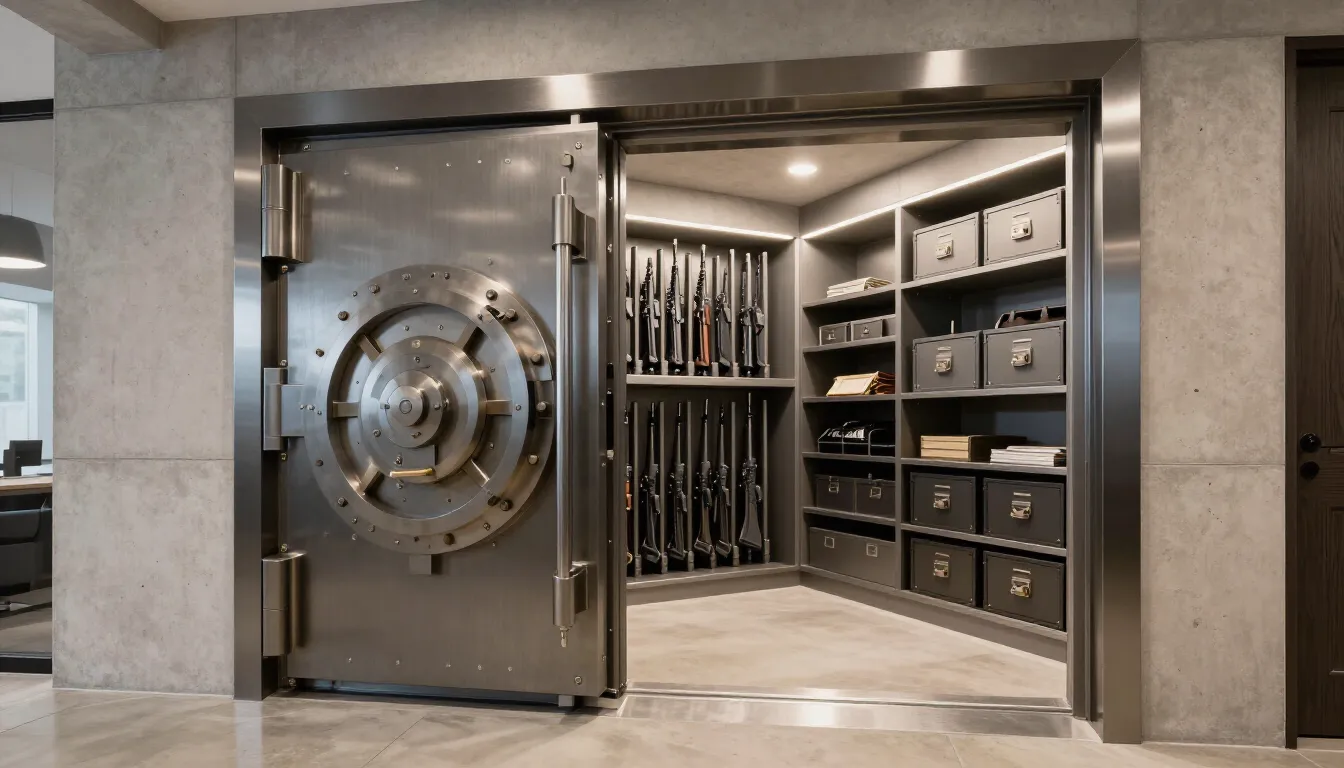
Some clients take it a step further still. They combine structural work with room hardening in a specific space, like a home office or bedroom suite. Others invest in secure vaults for valuables and important documents. The point is flexibility: hardening scales to match the property's actual risk profile, not a one-size-fits-all template.
A Layered Approach to Property Defense
Structural hardening works best as one layer within a broader security plan, not as a standalone fix. Clients of Northwest Security Solutions LLC value a hands-on approach. The team walks through a property and identifies actual weak points, rather than pushing a generic package. That kind of tailored assessment is what turns a house with obvious blind spots into a home that's genuinely hard to breach.
Think of it in three phases:
- Assessment – Identify entry points, foundation vulnerabilities, and site-specific risk factors like remote access or limited sightlines.
- Reinforcement – Install hardened framing, secure entry systems, and impact-resistant materials where they matter most.
- Integration – Connect the physical upgrades with existing surveillance and alarm systems for a complete defense strategy.
This layered thinking reflects how serious homeowners in the region now approach property protection. It's less about a single product and more about closing every practical gap an intruder could exploit.
Frequently Asked Questions
Does structural hardening change how my home looks?
No. Reinforcement work is designed to blend into existing architecture. Reinforced framing, doors, and windows are built to match your home's current style rather than stand out.
Which parts of a home benefit most from hardening?
Ground-floor entry points, foundation walls, and any access point hidden from street view or neighbors typically see the greatest benefit. Lakeside and wooded properties with limited visibility are especially good candidates.
Is this only useful for large or remote properties?
Not at all. Remote and lakeside properties do see clear advantages, thanks to slower emergency response. But any home in the Coeur d'Alene area benefits from stronger entry points and reinforced framing.
Can hardening be added to an existing home without major construction?
Yes. Most projects work within the home's current structure, reinforcing what's already there rather than requiring a full rebuild.
How does this connect with other security measures?
Structural hardening works alongside surveillance systems and broader risk planning. It's most effective as part of a layered approach rather than a standalone upgrade.
Ready to close the security gaps in your home before winter sets in? Reach out to talk through what structural hardening could look like for your property. Contact Northwest Security Solutions LLC to schedule an assessment and start building a home that's genuinely hard to breach.