Walk-In Vaults for Homes: Benefits, Design, and Installation

When most people think about home security, they picture cameras, alarms, locks, and maybe one very loud dog who takes his job a little too seriously. Those tools matter, but serious asset protection often requires something stronger. That is where walk-in vaults come in.
Modern
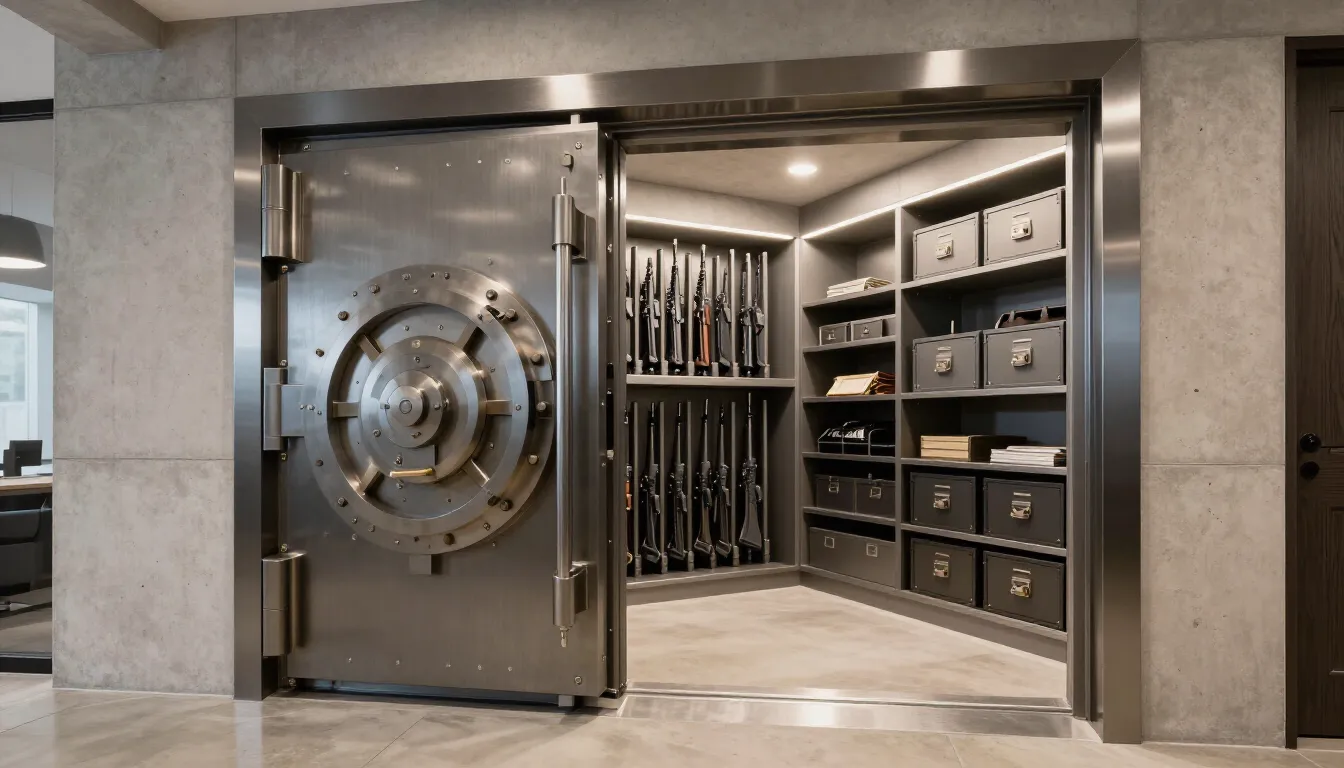
home walk-in vaults are designed to protect valuables, firearms, documents, collectibles, and other important assets inside a secure, purpose-built space. With professional planning and proper
vault room construction, homeowners can create a secure room that fits their property, lifestyle, and long-term security goals.
Why Walk-In Vaults Are Becoming Popular for Home Security
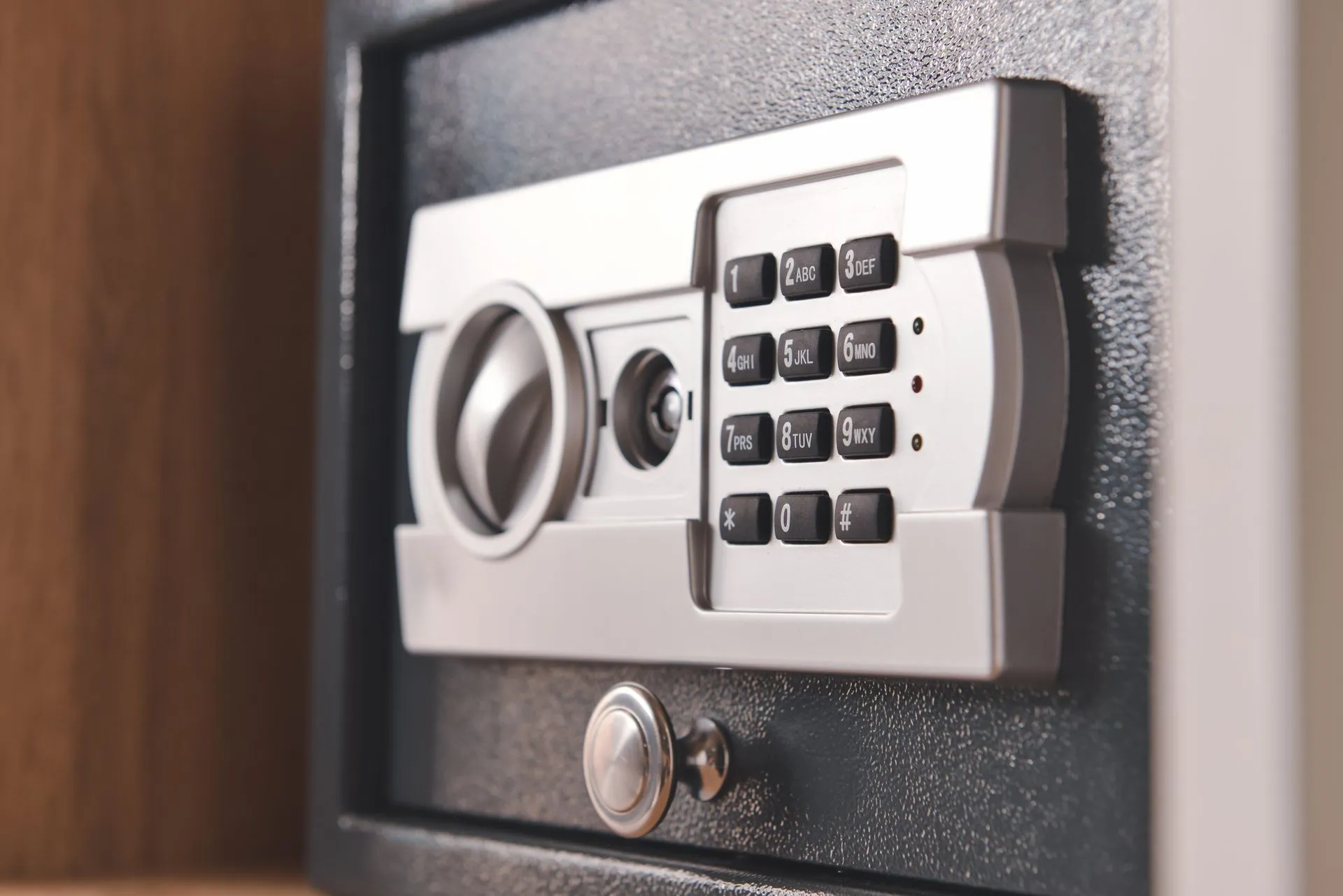
Walk-in vaults offer more space, organization, and protection than a traditional safe. Instead of cramming valuable items into a metal box and hoping everything fits, homeowners can create a secure room that is easier to access, easier to organize, and harder to compromise.
For many property owners, the appeal comes down to control. A vault room can be designed around specific needs, whether that means firearm storage, document protection, precious metals, heirlooms, emergency supplies, or sensitive business materials.
Common benefits include:
- More usable space: Store larger collections without stacking items like a garage sale gone wrong.
- Improved organization: Add shelving, racks, cabinets, and inventory systems.
- Stronger protection: Reinforced construction helps resist forced entry.
- Controlled access: Limit entry to trusted individuals only.
- Long-term value: A professionally built vault can become a lasting property upgrade.
Unlike a standalone safe,
home walk-in vaults can be integrated into the structure of the home. This makes them more difficult to remove, relocate, or attack directly. For homeowners who value privacy, preparedness, and peace of mind, that added layer of security can make a major difference.
Smart Design Considerations for Home Walk-In Vaults
Designing home walk-in vaults starts with understanding what the space needs to protect. A vault for firearms may require different layout features than a vault for collectibles, documents, or emergency supplies. The best design is practical, secure, and easy to use.
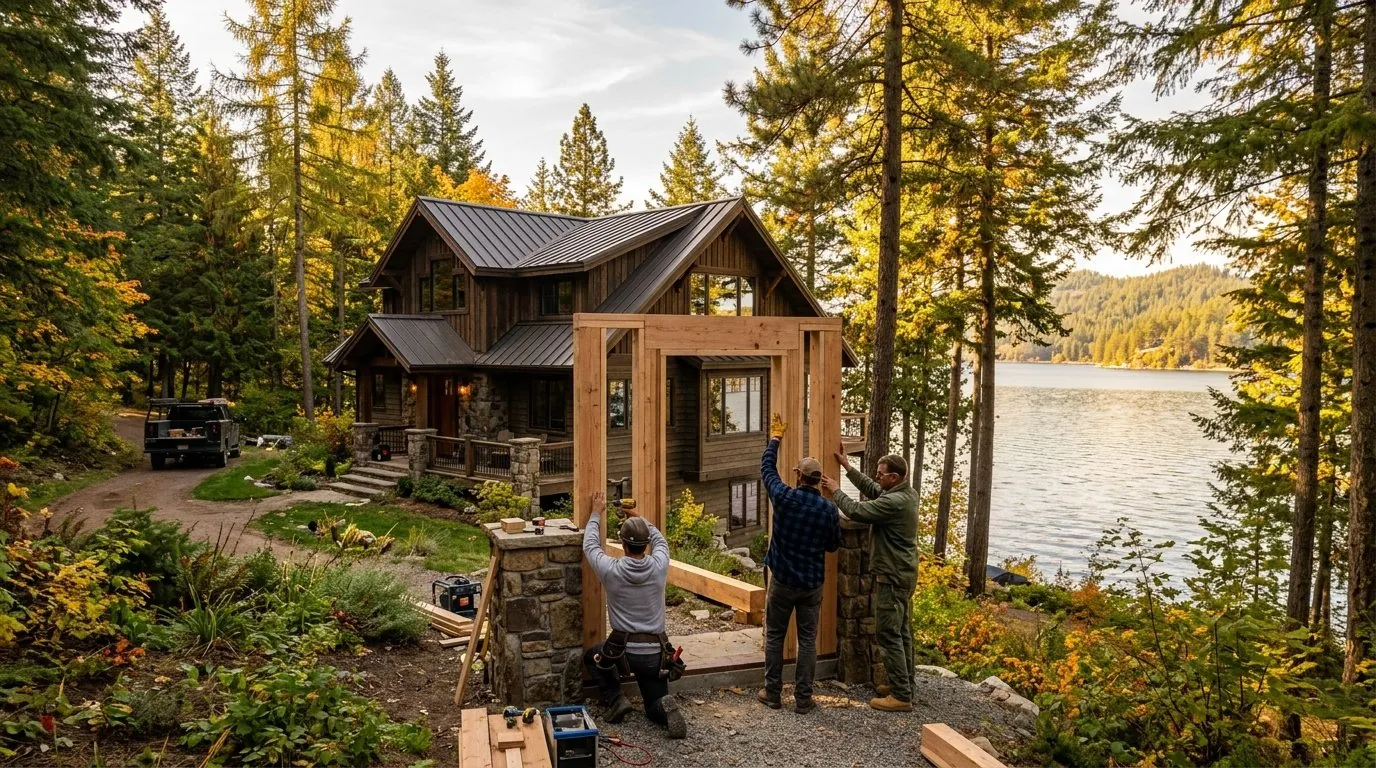
Location is one of the first decisions. Some homeowners choose basements, while others convert existing rooms or include vault space during new construction. The location should support structural reinforcement, discreet access, and convenient use without drawing unnecessary attention.
Important design features include:
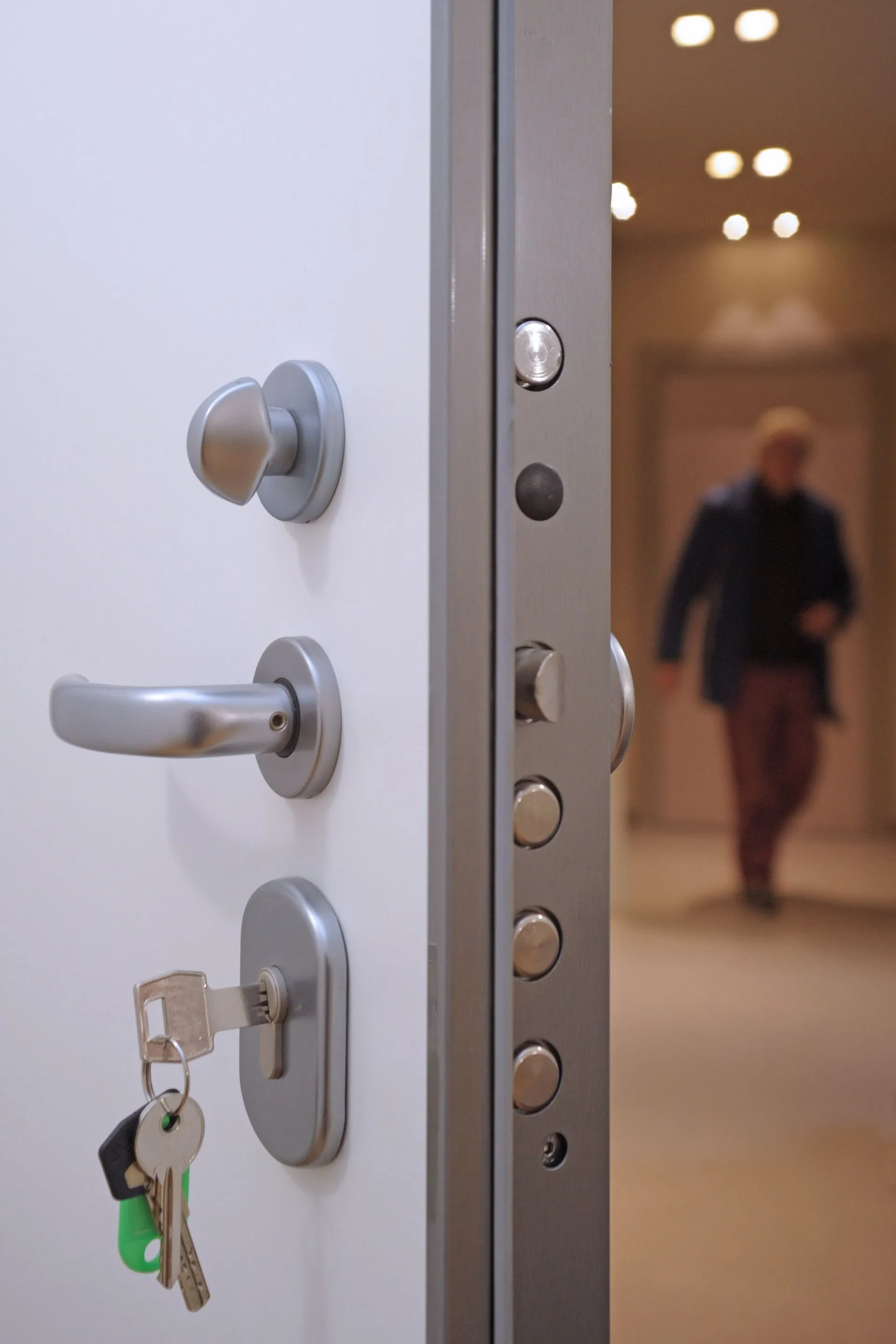
- Secure entry door: A high-quality vault door is one of the most important parts of the system.
- Reinforced walls and ceiling: The room should be protected beyond the doorway.
- Humidity control: Important for firearms, documents, wine, and collectibles.
- Lighting: Good visibility makes the space safer and more functional.
- Ventilation: Proper airflow helps maintain comfort and protect stored items.
- Storage layout: Shelves, racks, drawers, and cabinets should match the items being stored.
- Discreet placement: The best security features do not advertise themselves.
Good design also leaves room for future needs. Collections grow, families change, and security concerns evolve. A well-planned vault should not feel maxed out on day one. Nobody wants to build a secure room and immediately realize they need a secure room for the secure room.
What to Know About Professional Vault Room Construction
Professional vault room construction is about more than placing a heavy door on an ordinary room. A true vault requires attention to structure, materials, access control, and how the space fits into the rest of the property.
The strongest vault door will not help much if the surrounding walls are weak. That is why professional construction focuses on the complete room, not just the most visible feature. Reinforcement may involve concrete, steel, specialized framing, hardened surfaces, and other protective measures based on the property and intended use.
Key parts of vault room construction may include:
- Site evaluation: Identify the best location and structural requirements.
- Wall reinforcement: Strengthen vulnerable surfaces around the vault.
- Secure door installation: Install a vault door that matches the threat level.
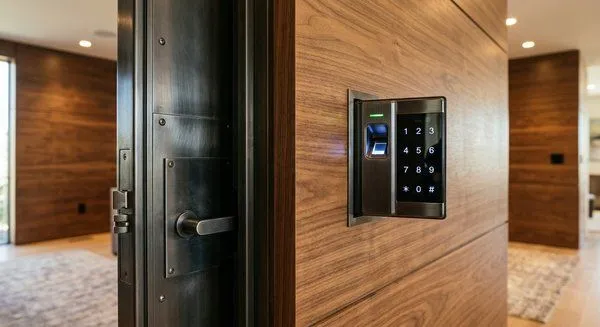
- Access control: Add mechanical, electronic, or layered entry options.
- Environmental planning: Include humidity control, ventilation, or filtration as needed.
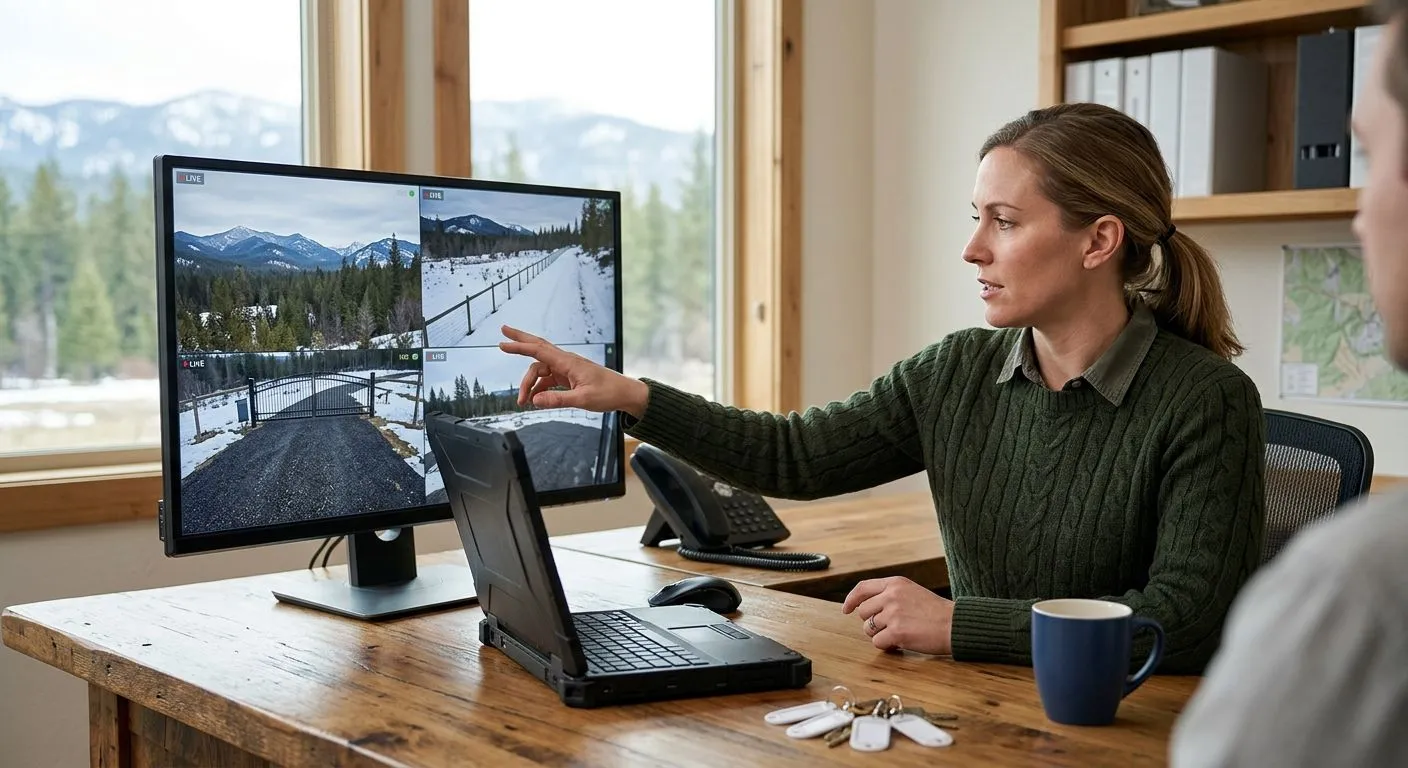
- System integration: Connect surveillance, alarms, or backup power when appropriate.
A professional builder can also help determine whether an existing room can be hardened or whether a new dedicated space is the better option. For rural homes, off-grid properties, and larger estates, this planning is especially important because security often involves more than one layer.
Done correctly,
walk-in vaults become part of a complete property security strategy.
Choosing the Right Walk-In Vault for Your Assets and Lifestyle
The right vault depends on how you plan to use it. Some homeowners need daily access to firearms or documents. Others want long-term storage for high-value assets. A few simply want a secure room that says, “Nope, not today,” to anyone with bad intentions.
Before starting a project, it helps to answer a few practical questions. What are you storing? How often will you access it? Who needs permission to enter? Should the vault also support emergency preparedness?
Popular uses for home walk-in vaults include:
- Firearm storage: Secure rifles, handguns, ammunition, and accessories.
- Document protection: Store deeds, legal papers, titles, and records.
- Valuable collections: Protect coins, jewelry, art, watches, or heirlooms.
- Preparedness supplies: Organize emergency gear, food storage, and medical supplies.
- Business assets: Secure sensitive files, inventory, or equipment.
It is also smart to think beyond today’s needs. A small vault may work now, but future storage needs can grow quickly. Planning extra space, better shelving, and adaptable storage can prevent frustration later.
A professionally designed vault should feel secure without being inconvenient. If it is too difficult to use, it may not support your daily life. The goal is strong protection that works naturally with your home.
Contact Northwest Security Solutions for Walk-In Vault Installation in Northern Idaho
If you are ready to explore professional walk-in vaults, home walk-in vaults, or custom vault room construction, Northwest Security Solutions LLC can help design and build a solution that fits your property and your security goals. We serve Northern Idaho, Bonner County, Kootenai County, Montana, and Wyoming with discreet, practical, and professionally planned secure space solutions.
Our team can also assist with
hardened safe rooms,
threat assessments,
surveillance equipment, and
backup power systems for a more complete security plan. Call
208-691-6726 today to speak with Northwest Security Solutions about protecting your valuables, strengthening your property, and creating a secure space built for long-term peace of mind.
Frequently Asked Questions
What are walk-in vaults used for?
Walk-in vaults are commonly used to store firearms, valuables, documents, precious metals, collectibles, emergency supplies, and other important assets in a secure room.
Can home walk-in vaults be added to existing houses?
Yes. Many home walk-in vaults can be built into existing homes by converting suitable rooms, basements, or underused spaces with professional reinforcement.
Is vault room construction better than buying a large safe?
For many homeowners, yes. Vault room construction provides more space, stronger integration with the home, and better long-term flexibility than a standalone safe.
Do walk-in vaults need humidity control?
Humidity control is strongly recommended when storing firearms, documents, wine, collectibles, or anything sensitive to moisture. It helps prevent damage and preserves value.
Can a walk-in vault include surveillance or backup power?
Yes. A walk-in vault can often be integrated with surveillance equipment, alarms, access control, backup power systems, and other security features.