Custom Panic Rooms in Northern Idaho: What You Need

Whether you own a primary residence in Coeur d'Alene, a seasonal cabin near Priest Lake, or a commercial property along the Highway 95 corridor, a basic alarm is no longer a sufficient answer. The combination of physical hardening, smart surveillance, environmental monitoring, and a professional risk assessment gives you genuine, layered protection designed for how this region actually works.
A custom panic room gives your family a hardened, self-contained fallback space when seconds matter. For homeowners across Northern Idaho, that need is more urgent in 2026 than most people realize.
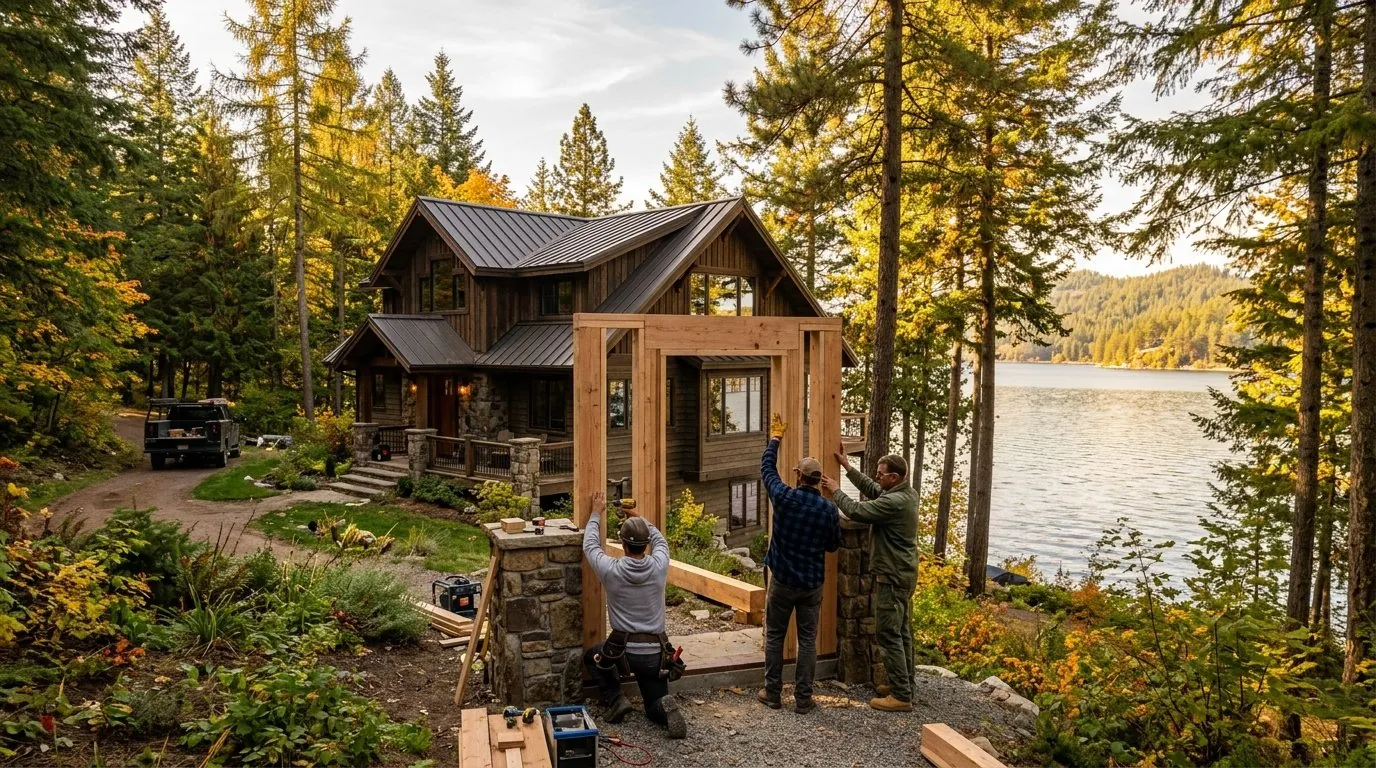
Coeur d'Alene sits in a region shaped by dense forested terrain, long winter storms, and growing wildfire pressure. The same beauty that draws families here also creates layered risks. A secure room is not a paranoid luxury. It is a practical, increasingly mainstream line of defense.
Northwest Security Solutions LLC designs and installs
custom panic rooms in Northern Idaho built for exactly these conditions. Here is what every property owner should understand before investing in one.
Why Panic Rooms Are No Longer Just for the Ultra-Wealthy
The safe room market has expanded rapidly. What once existed only in gated estates and executive compounds is now a standard feature in suburban remodels and rural custom builds.
The shift is driven by real concerns. Rising civil unrest, localized property crime, and increasingly volatile weather have changed how families think about in-home safety. Homeowners want a dependable last resort that works when everything outside goes wrong.
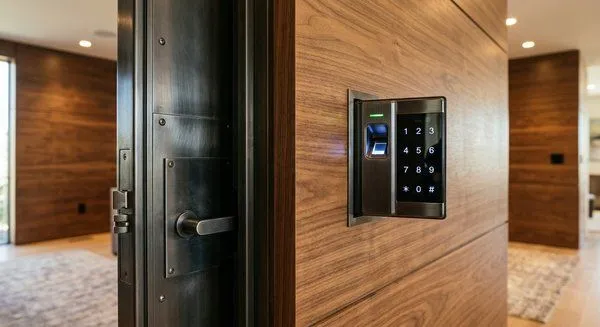
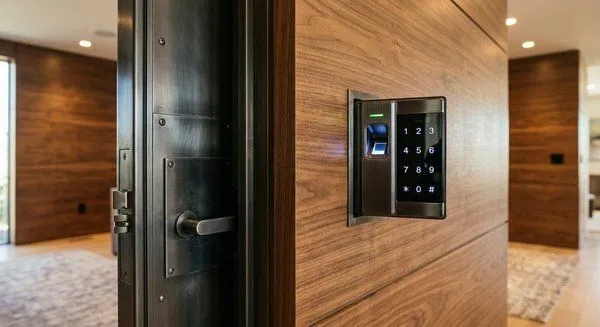
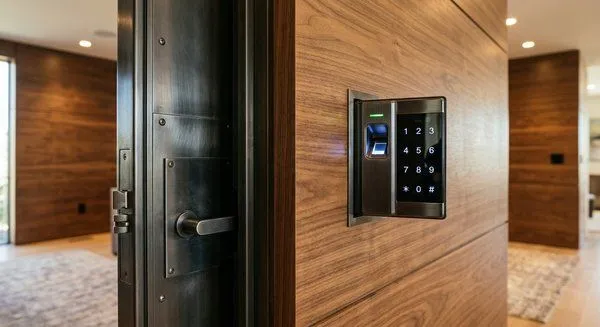
Modern panic rooms are modular and discreet. High-tensile steel paneling, ballistic-grade doors, and biometric entry systems can be installed inside a master closet, a basement room, or a home office. The space blends into your home's existing architecture. Guests will never know it is there.
What a Modern Panic Room Actually Contains
A properly designed secure room is not just a locked door. It is a self-contained system.
Here is what a well-built unit typically includes:
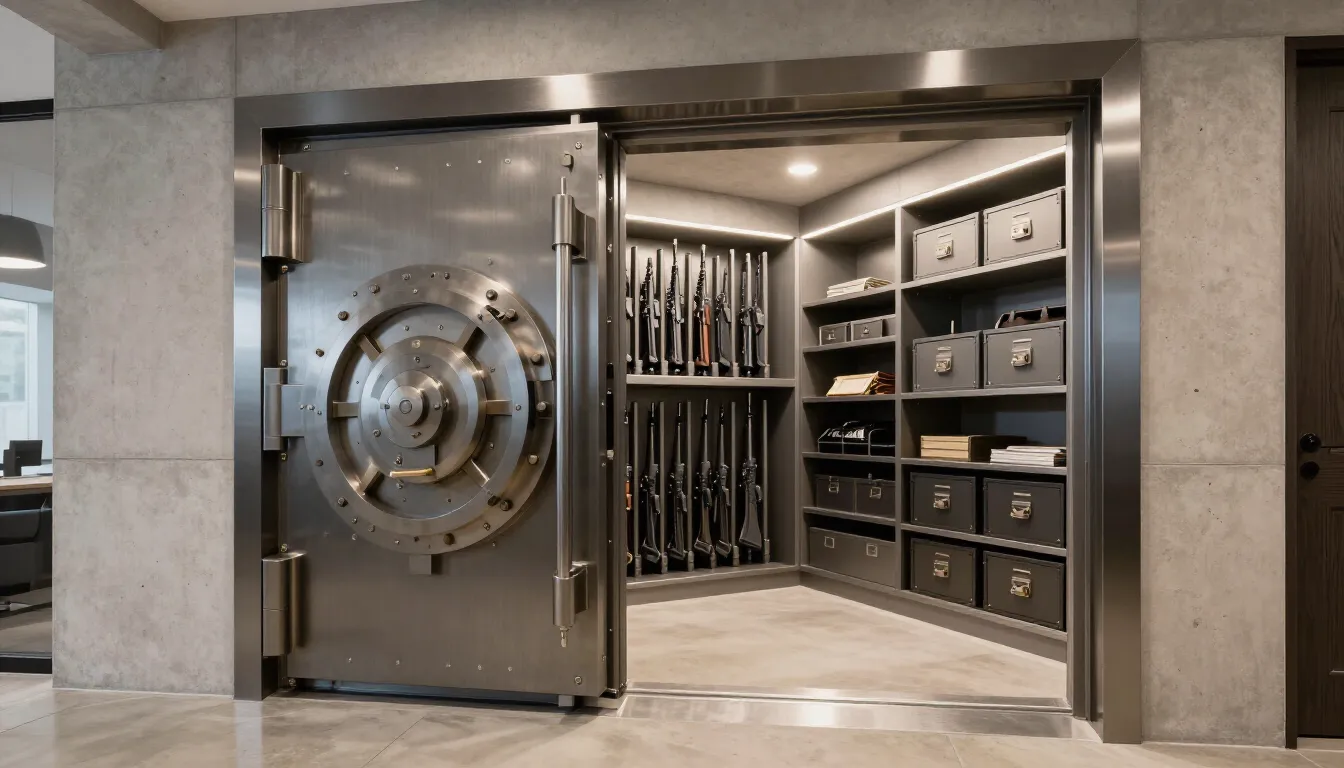
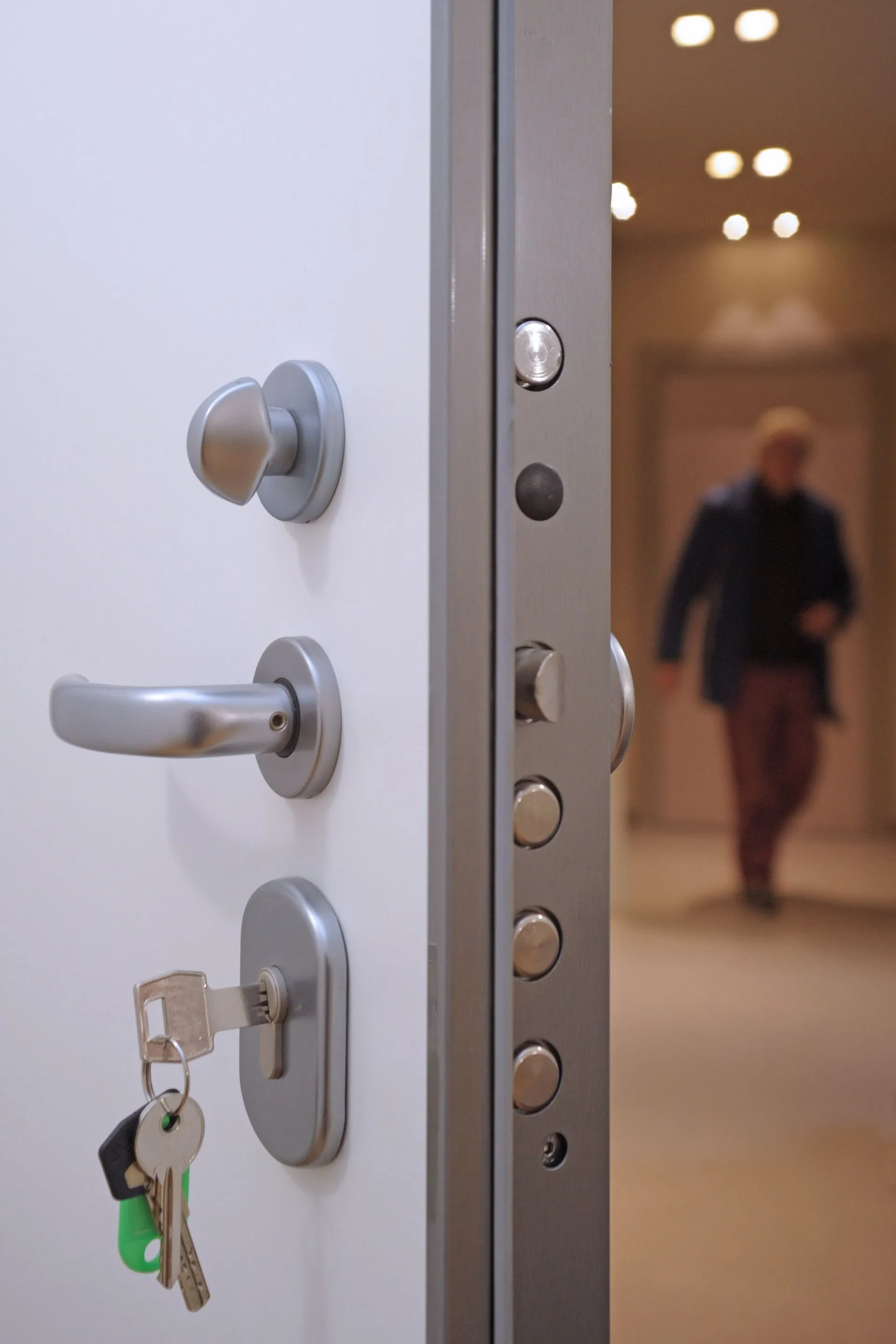
- Ballistic-resistant walls and a reinforced, pry-resistant door frame
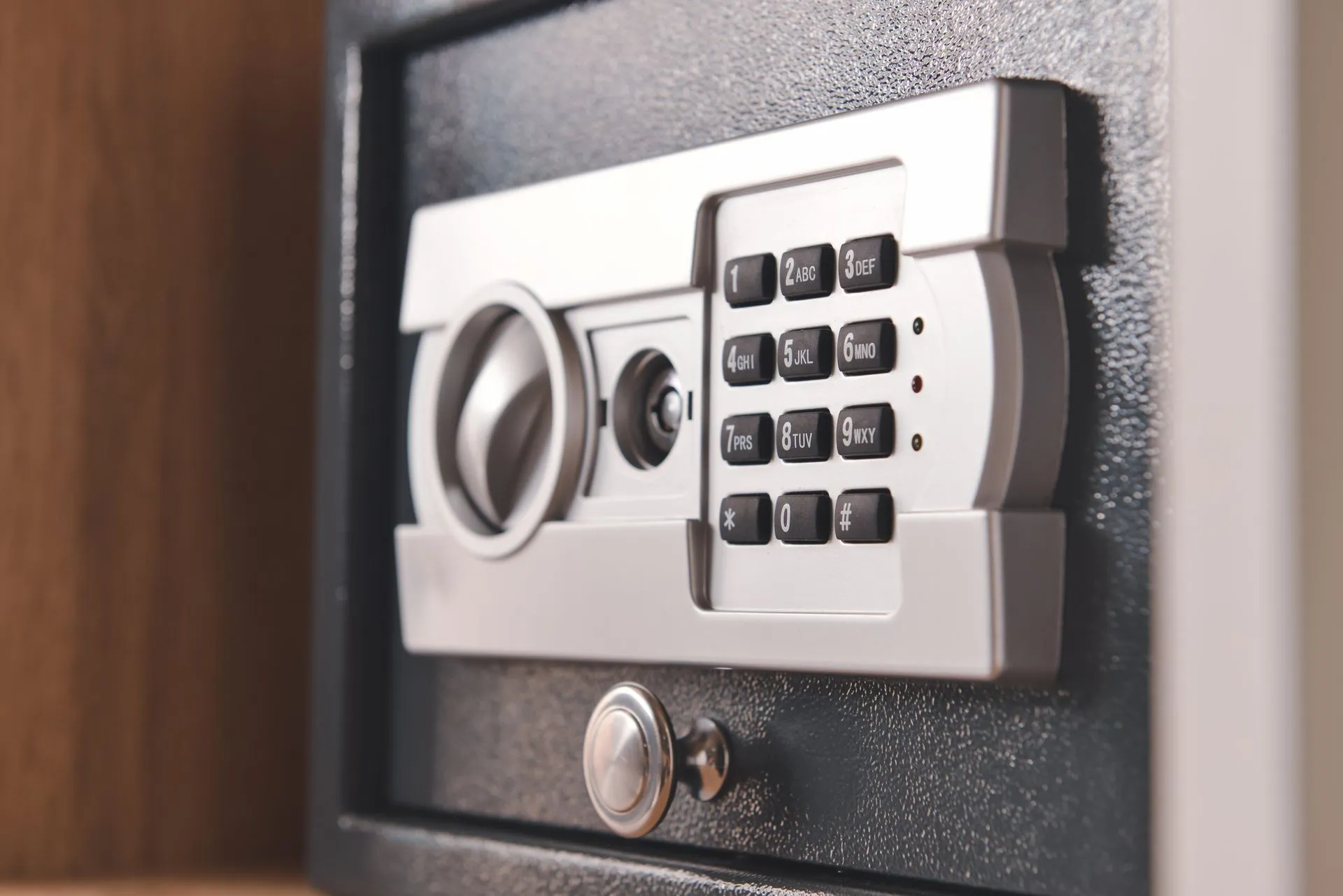
- A biometric or keypad entry system with a manual override
- Independent communication lines, including a dedicated cell signal booster or landline backup
- Interior power supply, either battery backup or a small solar-fed microgrid connection
- Positive-pressure HEPA air filtration to block wildfire smoke or airborne contaminants
- Stored water supply and emergency provisions
- A basic medical kit and a secure location for firearms storage
Each element addresses a specific failure point. Communication keeps you connected to emergency services. Air filtration is critical during Northern Idaho's wildfire smoke seasons. Power independence ensures the room functions during grid outages.
The Northern Idaho Context: Why Location Matters
Not every panic room design works equally in every region. Northern Idaho's geography demands specific considerations.
Wildfire smoke is a recurring seasonal threat around Coeur d'Alene and the broader Panhandle area. A room without positive-pressure air filtration is not truly safe if the air outside is compromised. This is not a theoretical edge case. It is a documented annual reality for many Northern Idaho homeowners.
Winter storms can isolate rural properties for days. A secure room equipped with heat retention, emergency food stores, and independent power becomes a sustainment shelter, not just a crisis room. Prolonged grid outages in remote mountain properties are common enough that self-reliance is a baseline expectation for serious preparedness planning.
Property crime concerns, while not extreme, are real. Rural properties face distinct vulnerabilities. Response times from law enforcement in low-density areas can be significantly longer than in urban centers. A panic room bridges that gap. It buys time. That is its single most important function.
How Panic Rooms Connect to Structural Hardening
A panic room does not exist in isolation. The strongest installation strategy treats it as one layer within a broader approach to residential security.
Structural hardening reinforces the entire property. That includes exterior doors, window glazing, entry points, and the structural integrity of walls. When the outer shell of a home is hardened, it slows any intrusion attempt and gives occupants more time to reach the secure room.
In Northern Idaho's wildland-urban interface zones, structural hardening also serves the insurance market. Insurers are scaling back or cancelling policies in forested areas across the state. Homes with documented hardening measures are more likely to retain coverage and qualify for lower premiums. Security investment and insurance strategy are no longer separate conversations for homeowners here.
Concealment: Making Security Invisible
One underappreciated element of panic room design is concealment. Visible vault doors and obvious reinforced entryways signal to anyone paying attention exactly where valuables and safe havens are located.
The better approach integrates security behind millwork. A pivoting bookcase, a flush panel door, or a concealed entry behind cabinetry keeps the room invisible. This is both a security advantage and an aesthetic one. High-end Northern Idaho homes do not have to look like bunkers to function like them.
The design trend toward "Modern Heritage" architecture, with its emphasis on warmth, natural materials, and craftsmanship, pairs naturally with concealed security integration. Your security infrastructure can look like part of the home's original design because, built correctly, it is.
Frequently Asked Questions
How long does it take to install a custom panic room?
Installation timelines vary depending on scope and the chosen location within the home. A modular installation in an existing room can often be completed in a matter of days. A fully integrated build with life-support systems and concealed entry may take several weeks from design to completion.
Can a panic room be added to an existing home, or only during new construction?
A panic room can absolutely be retrofitted into an existing structure. Modern modular systems are designed specifically for post-construction installation. Basements, master closets, and home offices are common retrofit locations in Coeur d'Alene homes.
Does a panic room add value to a property?
Yes. Secure rooms are increasingly viewed as desirable features by buyers in the Northern Idaho market, particularly on rural or lakefront properties where self-reliance and preparedness infrastructure carry real appeal.
What makes a Northern Idaho panic room different from a standard installation?
Northern Idaho conditions call for specific additions: HEPA air filtration for wildfire smoke, thermal insulation for winter storm sheltering, and independent power for grid-outage resilience. These are not standard features in every market but are essential here.
Are panic rooms legal in Idaho?
Yes. There are no restrictions in Idaho on building a private secure room in a residential property. Standard building permits apply to any structural modifications, and a qualified contractor will guide you through local requirements.
If you are ready to protect your family with a professionally designed secure space,
reach out to the team at Northwest Security Solutions for a consultation tailored to your property and your specific Northern Idaho risks.